




For centuries, women have been left out of the research.
Not just occasionally — systematically.
Most medical studies are built around men. Hormonal cycles? Too "complicated."
So instead of studying us, they ignored us. Or worse, medicated us like we were tiny men.
We were taught to fear our biology. To see our bodies as unpredictable, chaotic, less than.
But girl, the bias goes far beyond cultural messaging.
The hard facts show that...

WOMEN ARE
Undertreated
They are prescribed less pain medication than men — even with identical symptoms 9
WOMEN ARE
Delayed Diagnoses
Average 7–10 year delay for endometriosis 10
WOMEN ARE
Underfunded
Female-dominant conditions receive less research funding

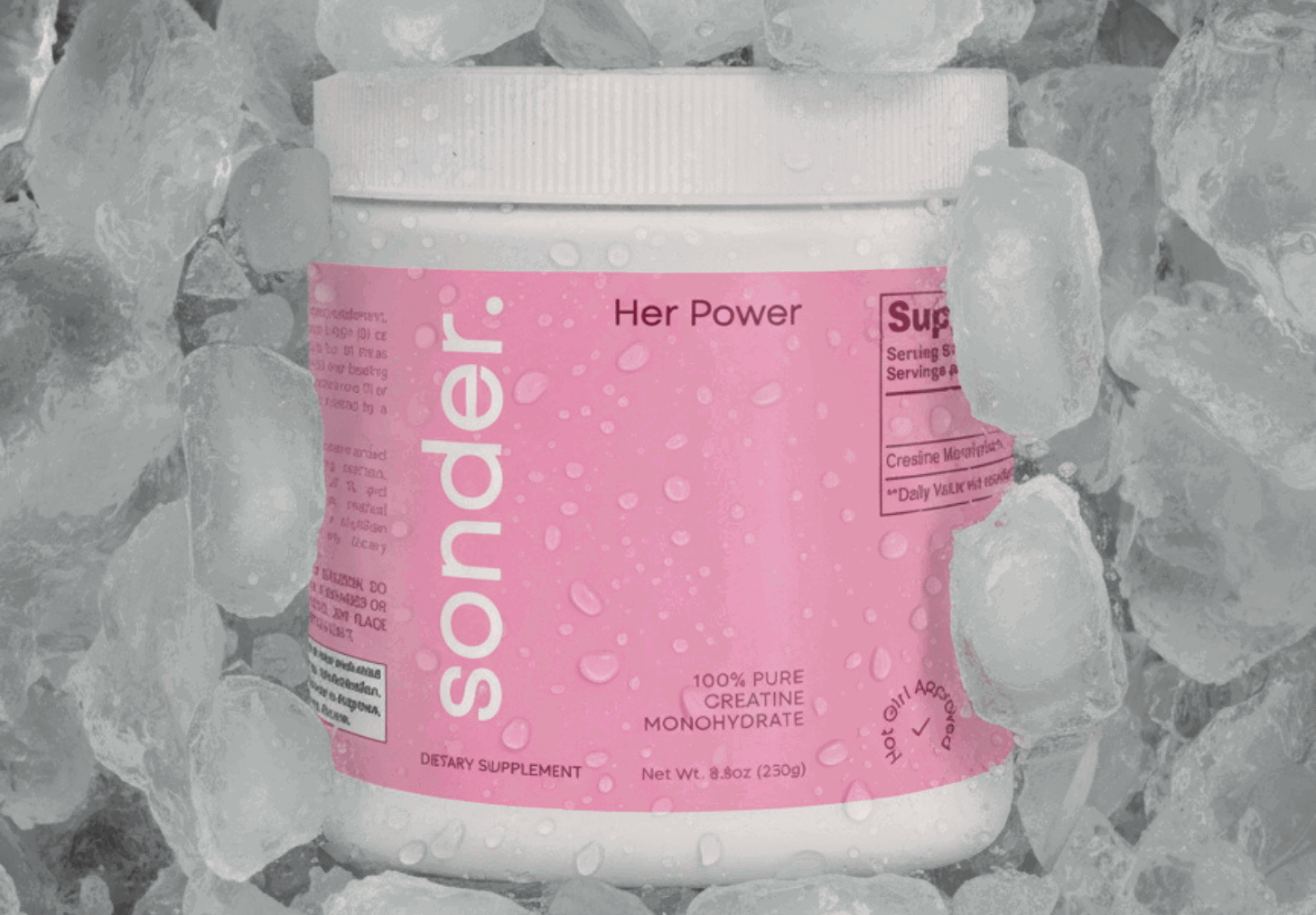
Creatine: The Daily Essential Women Were Told To Fear
After hundreds of medical papers, here's the truth:
Creatine is one of the most studied, safest, and most beneficial compounds for women
Naturally produced in the body, it fuels ATP — your cells’ primary energy currency.
Reclaim Your Sexy

Here's the fact: Women naturally have 70-80% less creatine stored than men 2 .
That's why creatine is especially important for women's health across all stages of life - from adolescence and fertility, through pregnancy, to menopause and beyond.
Support That Grows With You: From Menstruation to Menopause

Brain & Cognitive Function
Creatine restores brain ATP under stress, multitasking, or sleep deprivation—boosting clarity and mood. 6
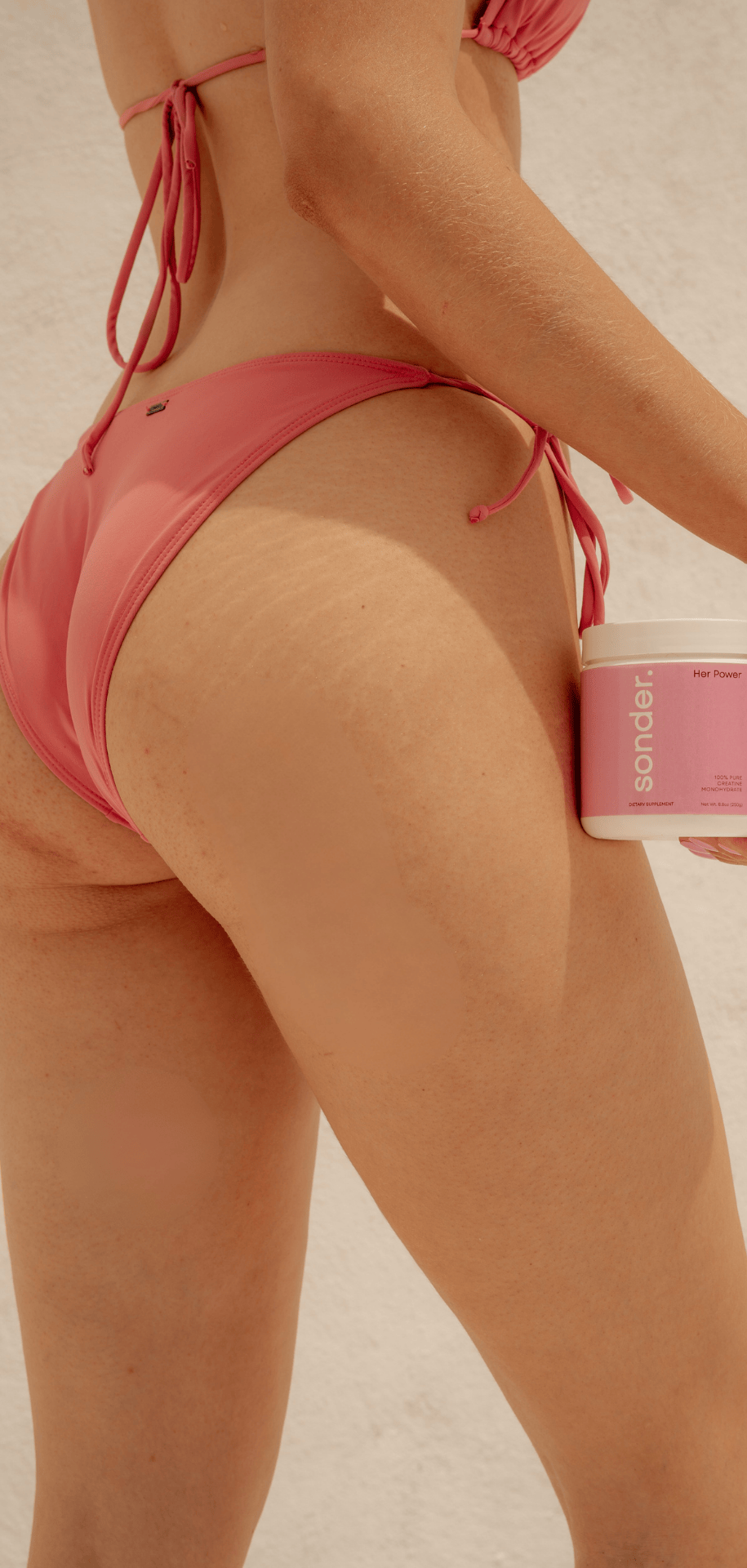
Muscle tone & lean definition
Women show improved muscle firmness, endurance, and overall toning, thanks to better cellular hydration and faster recovery. 3
Inflamation & Period Health
Fewer cases of pelvic pain and dysmenorrhea (painful periods) linked to higher creatine intake.
Mental Health
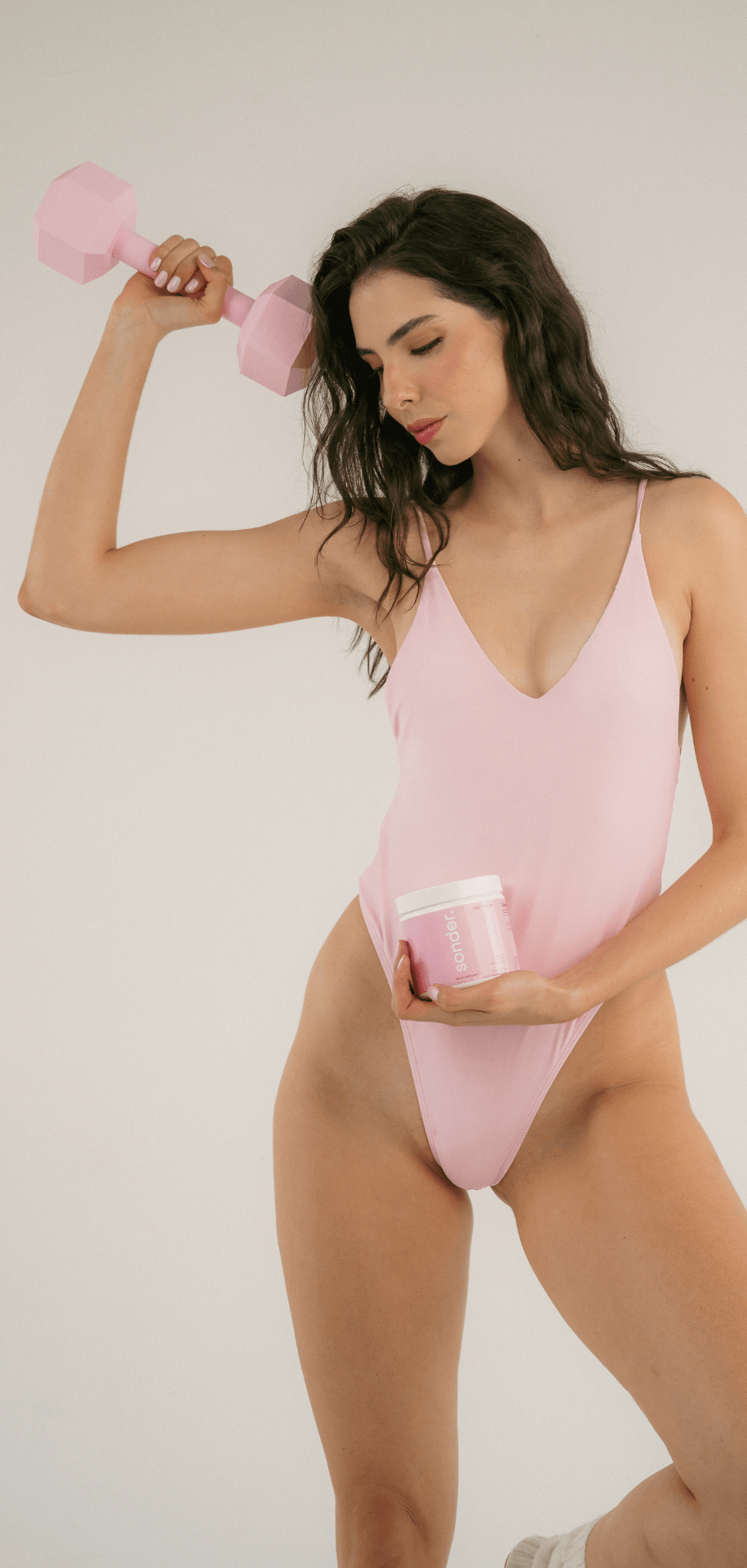
Bone Health & Strength
Research shows creatine can increase bone density, especially in aging women, supporting strength, posture, and long-term mobility. 2
Pure Creatine Monohydrate. Nothing else.
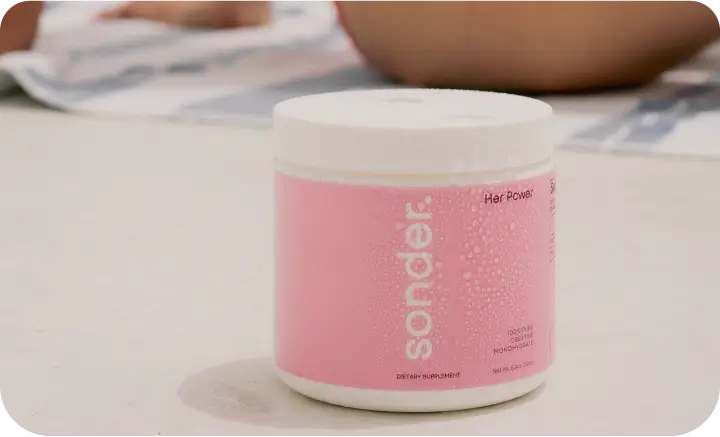
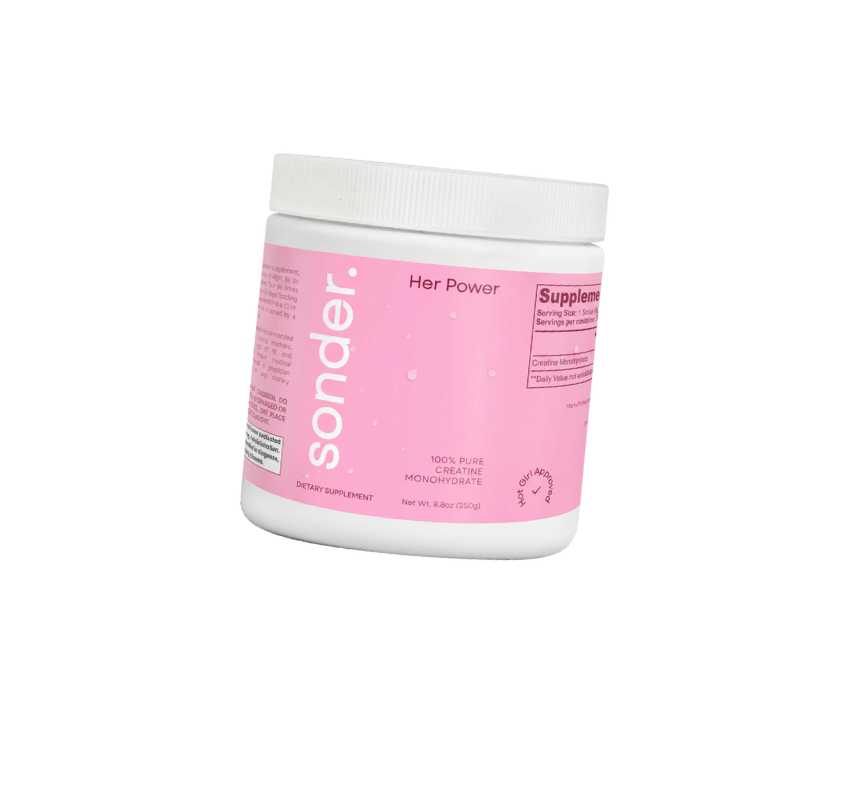
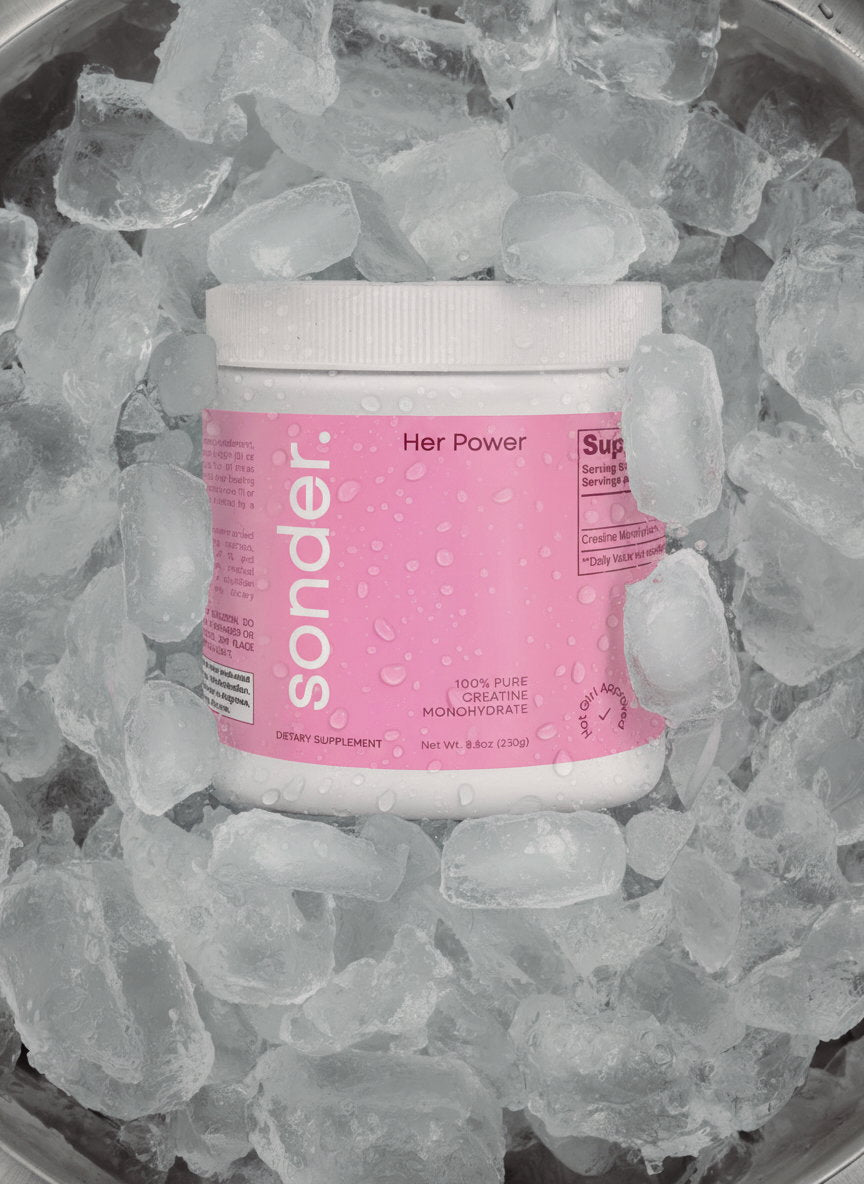
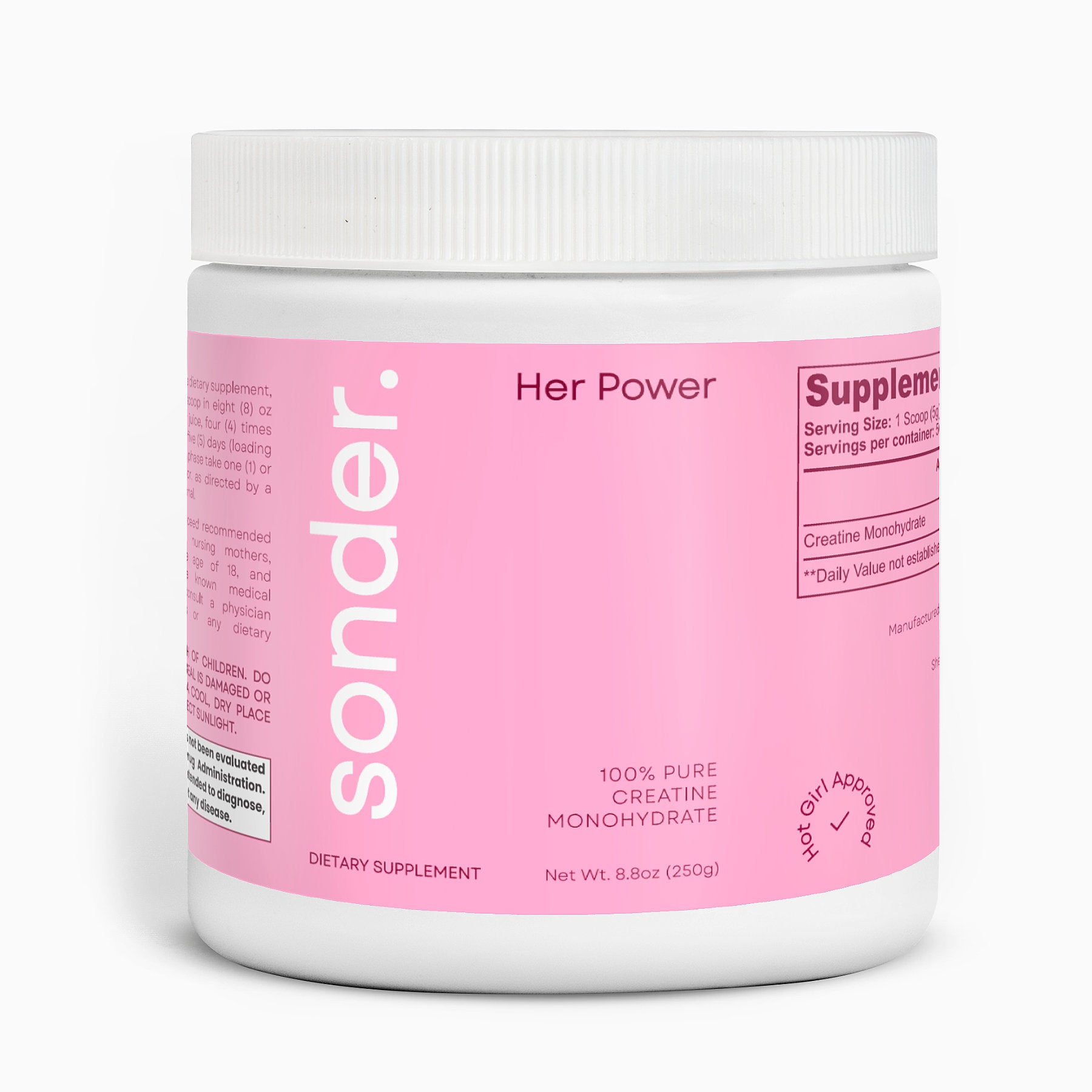
Sonder contains pure creatine monohydrate—the most researched, effective form of creatine available.
Nothing artificial, no fillers, no unnecessary additives—just pure cellular support for your muscles, brain, and bones.
The most studied supplement in history, backed by thousands of clinical studies for safety and efficacy.
Simple. Effective. Essential.
REFERENCES
- 1. Dechent, P., Pouwels, P. J., Wilken, B., Hanefeld, F., & Frahm, J. (1999). Increase of total creatine in human brain after oral supplementation of creatine-monohydrate. American Journal of Physiology, 277(3), R698–R704. https://doi.org/10.1152/ajpregu.1999.277.3.R698
- 2. Smith-Ryan, A. E., Cabre, H. E., Eckerson, J. M., & Candow, D. G. (2021). Creatine Supplementation in Women’s Health: A Lifespan Perspective. Nutrients, 13(3), 877. https://doi.org/10.3390/nu13030877
- 3. Vandenberghe, K., Goris, M., Van Hecke, P., Van Leemputte, M., Vangerven, L., & Hespel, P. (1997). Long-term creatine intake is beneficial to muscle performance during resistance training. Journal of Applied Physiology, 83(6), 2055–2063. https://doi.org/10.1152/jappl.1997.83.6.2055
- 4. Gordon, A. N., Moore, S. R., Patterson, N. D., Hostetter, M. E., Cabre, H. E., Hirsch, K. R., Hackney, A. C., & Smith-Ryan, A. E. (2023). The Effects of Creatine Monohydrate Loading on Exercise Recovery in Active Women throughout the Menstrual Cycle. Nutrients, 15(16), 3567. https://doi.org/10.3390/nu15163567
- 5. Eckerson, J. M., Stout, J. R., Moore, G. A., Stone, N. J., Nishimura, K., & Tamura, K. (2004). Effect of two and five days of creatine loading on anaerobic working capacity in women. Journal of Strength and Conditioning Research, 18(1), 168–173. https://doi.org/10.1519/1533-4287(2004)018<0168:eotafd>2.0.co;2
- 6. Rae, C., Digney, A. L., McEwan, S. R., & Bates, T. C. (2003). Oral creatine monohydrate supplementation improves brain performance: a double-blind, placebo-controlled, cross-over trial. Proceedings of the Royal Society B, 270(1529), 2147–2150. https://doi.org/10.1098/rspb.2003.2492
- 7. Kuehner, C. (2017). Why is depression more common among women than among men?. The Lancet Psychiatry, 4(2), 146–158. https://doi.org/10.1016/S2215-0366(16)30263-2
- 8. Lyoo, I. K., Yoon, S., Kim, T.-S., Hwang, J., Kim, J. E., Won, W., Bae, S., & Renshaw, P. F. (2012). A randomized, double-blind placebo-controlled trial of oral creatine monohydrate augmentation for enhanced response to a selective serotonin reuptake inhibitor in women with major depressive disorder. American Journal of Psychiatry, 169(9), 937–945. https://doi.org/10.1176/appi.ajp.2012.12010009
- 9. Chen, E. H., Shofer, F. S., Dean, A. J., Hollander, J. E., Baxt, W. G., Robey, J. L., Sease, K. L., & Mills, A. M. (2008). Gender disparity in analgesic treatment of emergency department patients with acute abdominal pain. Academic Emergency Medicine, 15(5), 414–418. https://doi.org/10.1111/j.1553-2712.2008.00100.x
- 10. Ahn, S. H., Singh, V., & Tayade, C. (2017). Biomarkers in endometriosis: challenges and opportunities. Fertility and Sterility, 107(3), 523–532. https://doi.org/10.1016/j.fertnstert.2017.01.009